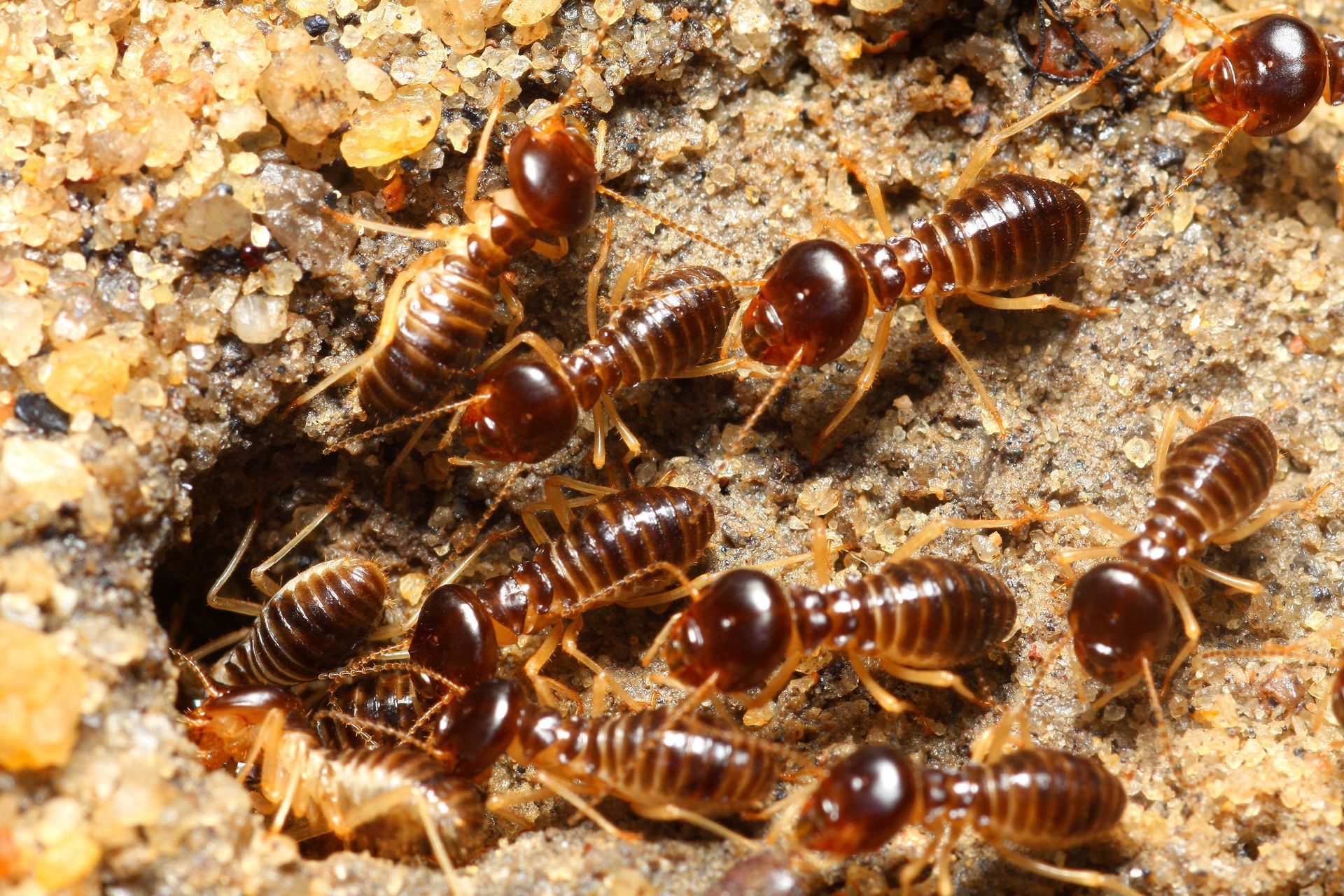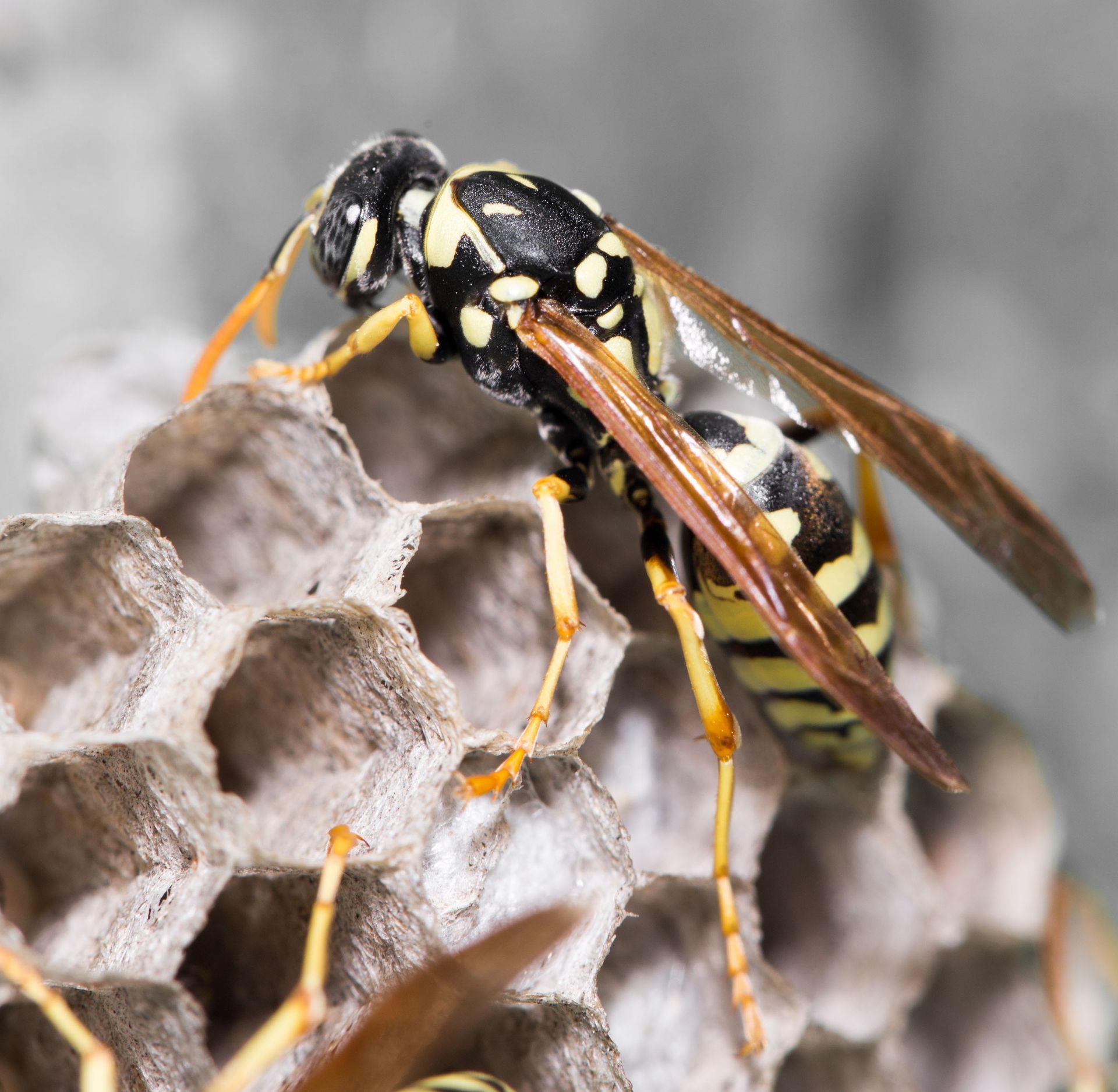
Termites can quietly damage a home before many homeowners realize there is a problem. Knowing what to look for can help you act early, protect structural materials, and avoid more expensive repairs. Common warning signs include mud tubes, weakened wood, discarded wings, frass, hollow sounds, and visible structural changes. According to PestWorld.org, termites cause $5 billion in damage every year in the U.S., which highlights how important early detection and fast treatment can be for protecting a home’s structure and long-term value. When these signs appear, working with local pest control can help homeowners confirm the issue and choose the right treatment plan.
1. Mud Tube Warning Signs
Mud tubes are one of the most recognizable signs of subterranean termite activity. These narrow tunnels are made from soil, wood particles, and termite saliva. They often appear light brown, rough, and pencil-sized, though some may be wider depending on colony activity. Termites use these tubes to travel safely between their colony and a food source while staying protected from dry air and predators.
Homeowners may find mud tubes along foundation walls, basement areas, crawl spaces, wooden steps, porch supports, and areas where wood touches soil. They can also run along concrete, pipes, or masonry when termites need a protected path to reach wood. Because these tubes are often hidden in dark or damp spaces, routine inspections are important. A flashlight can help you check behind stored items, under decks, and around utility openings.
If mud tubes are discovered, they should not be ignored. Breaking a tube may reveal active termites, but destroying the visible tunnel will not eliminate the colony. A professional inspection through local pest control can determine whether termites are active, where they are entering, and which treatment method is most appropriate.
2. Wood Damage Indicators
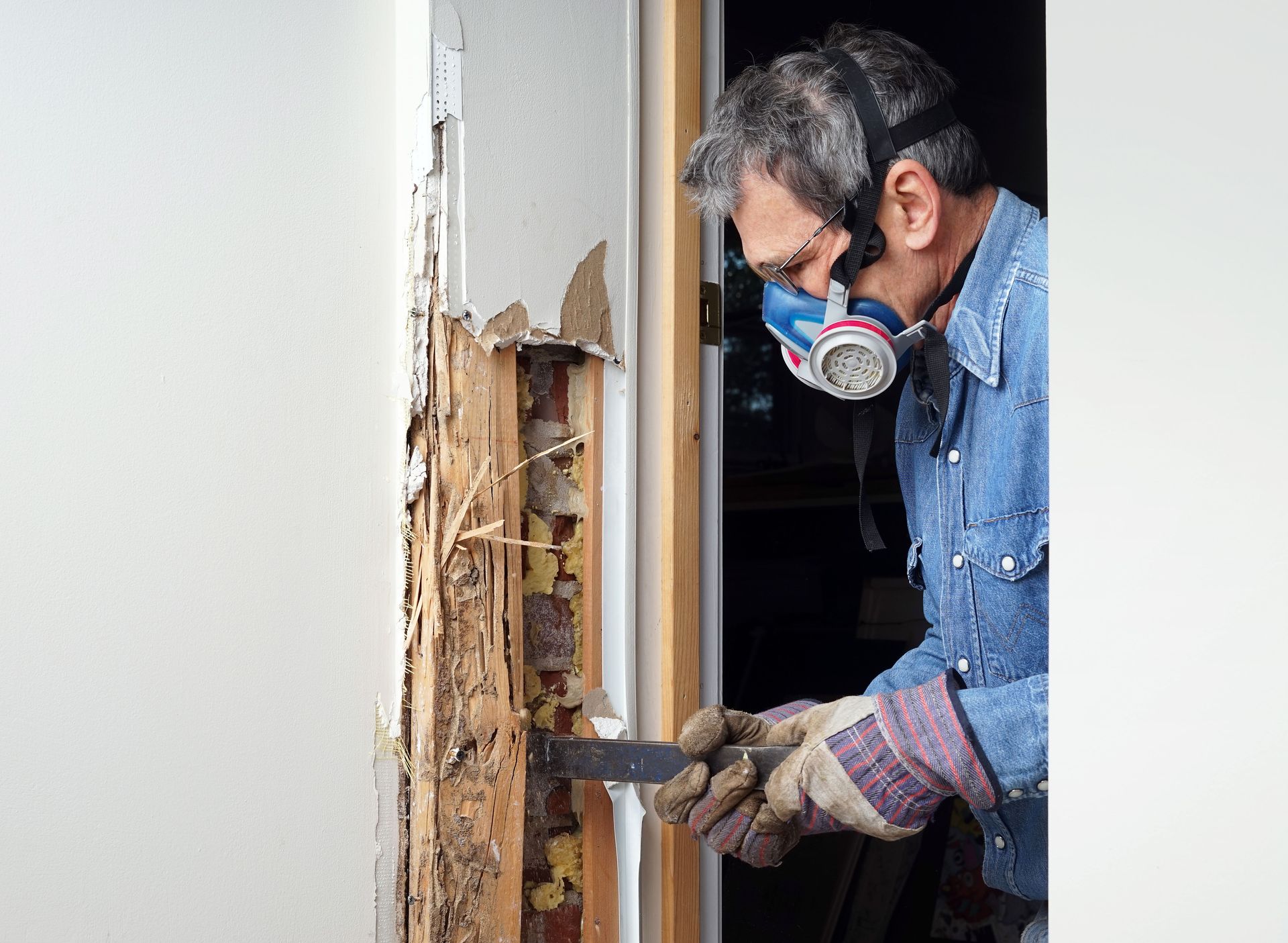
Termite-damaged wood may look normal from the outside while being hollowed out internally. When inspected more closely, it may reveal tunnels, layered galleries, blistering, or a honeycomb-like pattern. Damaged wood may also sound hollow when tapped because termites consume the softer interior while leaving a thin surface behind.
It is helpful to understand how termite damage differs from other wood problems. Wood rot often appears damp, soft, dark, and crumbly because it is caused by fungal decay. Carpenter ants create smooth tunnels but do not eat the wood. Termite galleries often contain soil or packed material, especially when subterranean termites are involved. These differences can help homeowners describe what they see when contacting a professional.
Areas most prone to wood damage include basements, crawl spaces, sill plates, floor joists, porch posts, window frames, door frames, and wood siding near the ground. A screwdriver or small probe can help test suspicious areas, but homeowners should avoid aggressive poking if structural damage is severe. When wood feels weak, soft, or unstable, local pest control should be contacted before repairs begin.
3. Discarded Wing Evidence
Discarded wings are another common sign of termites. Swarming termites shed their wings after finding a place to establish a new colony. These wings are usually translucent, equal in size, and found in small piles near windowsills, doors, light fixtures, vents, or other bright areas. Their presence indoors can be especially concerning because it may indicate termite activity inside the home.
Termite swarms often happen during warmer, humid conditions, especially in spring. However, timing can vary depending on the termite species and local climate. Because ants can also swarm, it is important to note the differences. Termites have straight antennae, broad waists, and equal-sized wings. Ants have bent antennae, narrow waists, and front wings that are larger than their rear wings.
If you find discarded wings, take photos, note the location, and avoid sweeping everything away before inspection. This evidence can help a technician understand where activity may be concentrated. Local pest control services can inspect surrounding wood, moisture sources, and entry points to determine whether treatment is needed.
4. Frass and Termite Droppings
Frass is the term for termite droppings, and it is most often associated with drywood termites. It can look like small pellets, sawdust, coffee grounds, or pepper-like grains. These pellets may collect near baseboards, windowsills, door frames, furniture, attic beams, or small holes in wood where termites push droppings out of their galleries.
Frass can sometimes be confused with dust, dirt, or carpenter ant debris. Termite pellets are usually more uniform in shape and size, while carpenter ant debris may include larger wood shavings or insect parts. Because frass may point directly to active galleries, it should be taken seriously when found near wooden materials.
Cleaning up frass without addressing the source will not solve the problem. Homeowners can carefully vacuum or wipe the area, but they should continue monitoring for new piles. If more droppings appear, local pest control can identify the species and recommend treatment based on the location and severity of the infestation.
5. Hollow Sounds in Wood
Testing wood for hollow sounds is a simple way to check for possible termite damage. Gently tapping baseboards, floors, exposed beams, or trim can reveal differences in sound. Healthy wood often produces a solid, dense tone, while damaged wood may sound empty or papery. This method is not a complete inspection, but it can help identify areas that need closer attention.
Hollow sounds should be considered alongside other signs, such as sagging floors, blistered paint, mud tubes, frass, or visible tunnels. Some wood may sound unusual because of age, moisture, or construction methods, so a hollow sound alone does not always confirm termites. Still, it can be an early clue that hidden damage is present.
Focus inspections on moisture-prone areas, including crawl spaces, basements, bathrooms, kitchens, laundry areas, and exterior walls. Wood near soil contact or poor drainage is especially vulnerable. Scheduling a local pest control inspection can provide a more accurate diagnosis and help prevent further damage.
6. Visible Structural Concerns
Advanced termite damage can eventually create visible structural problems. Warning signs may include sagging floors, warped walls, sticking doors, misaligned windows, cracked trim, drooping ceilings, or weakened support beams. Some damage can also resemble water damage, such as bubbling paint or soft wall surfaces.
Ignoring these signs can lead to higher repair costs and safety concerns. Termites can continue feeding as long as moisture, access, and food sources remain available. Since many insurance policies do not cover termite damage, prevention and early treatment are often more affordable than major structural restoration.
Repair options depend on the severity of the damage. Minor areas may be strengthened with fillers, wood hardeners, or localized replacement. More serious damage may require replacing beams, joists, framing, or flooring. Before repairs are completed, the termite colony must be treated so the same areas are not damaged again. Local pest control professionals can coordinate with homeowners and contractors to support a complete plan.
7. Prevention and Inspection Habits
Preventing termites starts with reducing moisture and limiting wood-to-soil contact. Homeowners should repair leaks, improve drainage, keep gutters clean, and avoid storing firewood against the house. Mulch should be kept away from siding and foundation materials when possible. Crawl spaces and basements should be ventilated and monitored for dampness.
Routine inspections also play an important role. Check around the foundation, porch supports, deck posts, window frames, garage walls, and attic spaces. Even if no obvious damage is visible, annual inspections can catch early activity before it spreads. A local pest control provider can also recommend preventive treatments, bait stations, or monitoring systems based on regional termite risk.
Recognizing termite warning signs can help homeowners protect their property before small problems become major repairs. Mud tubes, hollow wood, discarded wings, frass, and structural changes should all be addressed promptly. Contact Armor Pest Control today to get connected to our pest control services.